Mission Details
Decades of proven mission success
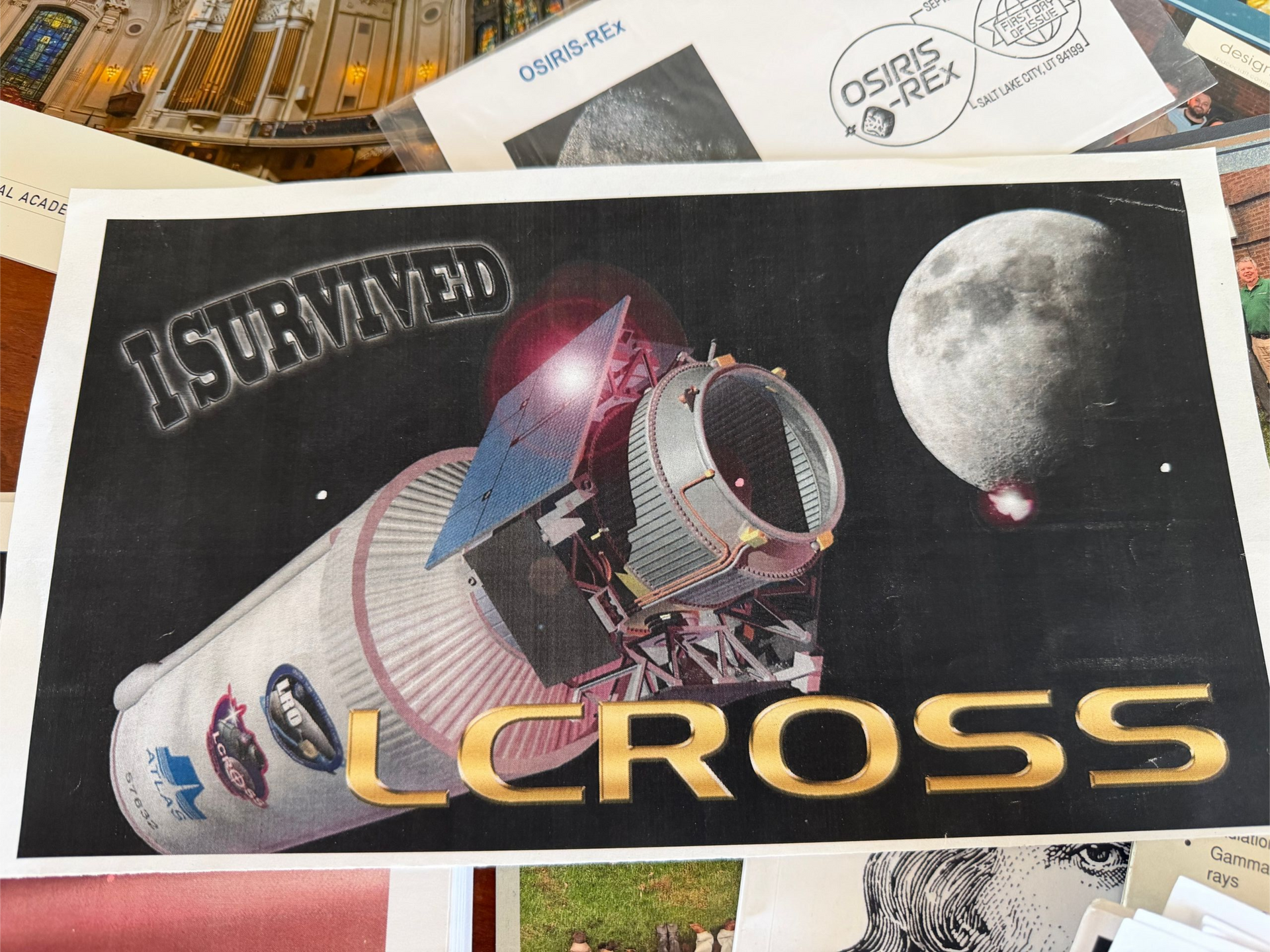
designAmerica worked closely with the NASA Ames LCROSS team as supplier of our Commercial ASIST software and workstations to Northrop Grumman for both flight software development, and the satellite build/test of the 'Shepherding Spacecraft' (launched alongside LRO), and also for the Mission Control Center at NASA AMES. The LCROSS mission (was a Class-D, low-cost NASA mission) successfully discovered water (ice) for the first time near the lunar south pole in 2009. ASIST 100% Mission success!
Specifics?
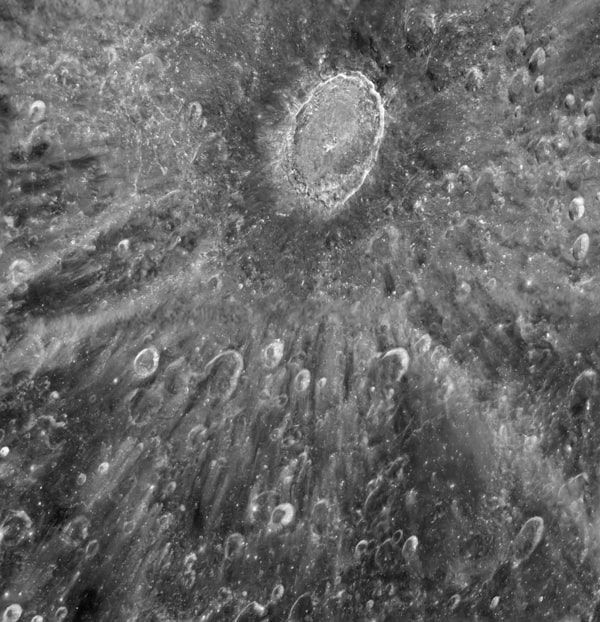
LCROSS (Lunar Crater Observation and Sensing Satellite) was a robotic NASA spacecraft that successfully confirmed the presence of water ice in permanently shadowed craters at the Moon's south pole. Launched alongside the Lunar Reconnaissance Orbiter (LRO) in 2009, it used its spent Centaur upper-stage rocket as a kinetic impactor.
The back-to-back impacts exposed a plume of material that had been hidden from sunlight for billions of years. The mission successfully:
- Confirmed the presence of mostly pure water-ice crystals.
- Found evidence of other materials, including hydrocarbons and hydrated materials.
- Demonstrated that the Moon's soil in shadowy craters is rich in materials that could support future human exploration and rocket fuel production.
2009
LCROSS
designAmerica worked closely with the NASA Ames LCROSS team as supplier of our Commercial ASIST software and workstations to Northrop Grumman for both flight software development, and the satellite build/test of the 'Shepherding Spacecraft' (launched alongside LRO), and also for the Mission Control Center at NASA AMES. The LCROSS mission (was a Class-D, low-cost NASA mission) successfully discovered water (ice) for the first time near the lunar south pole in 2009. ASIST 100% Mission success!
Specifics?
LCROSS (Lunar Crater Observation and Sensing Satellite) was a robotic NASA spacecraft that successfully confirmed the presence of water ice in permanently shadowed craters at the Moon's south pole. Launched alongside the Lunar Reconnaissance Orbiter (LRO) in 2009, it used its spent Centaur upper-stage rocket as a kinetic impactor.
The back-to-back impacts exposed a plume of material that had been hidden from sunlight for billions of years. The mission successfully:
- Confirmed the presence of mostly pure water-ice crystals.
- Found evidence of other materials, including hydrocarbons and hydrated materials.
- Demonstrated that the Moon's soil in shadowy craters is rich in materials that could support future human exploration and rocket fuel production.

2013
MAVEN
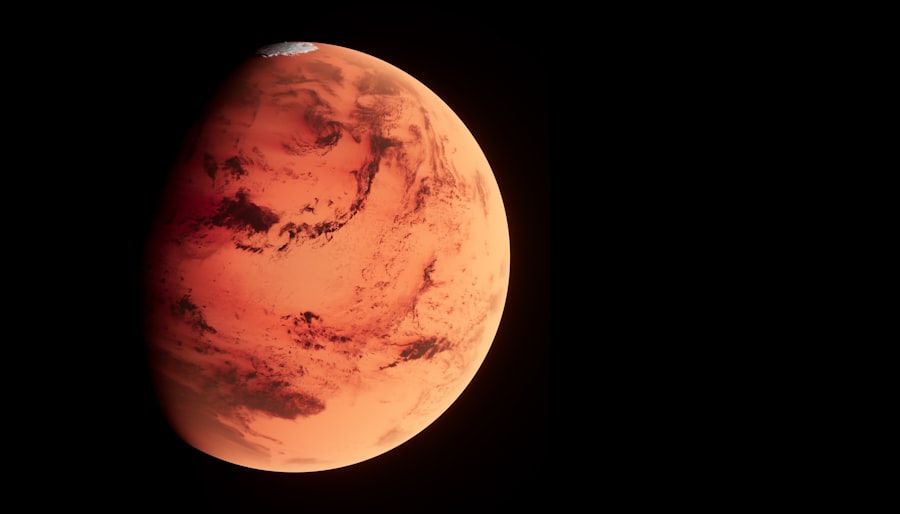
NASA Mission success using our designAmerica team experts and our Commercial ASIST workstations and software as a key supplier to Lockheed Martin (Littleton, CO) for the entire MAVEN satellite build, integration and test, and mission operations at LM to/at Mars (including Mars Orbit Insertion). ASIST 100% mission success, firm-fixed price, on time, and under budget!
2016
OSIRIS-REx
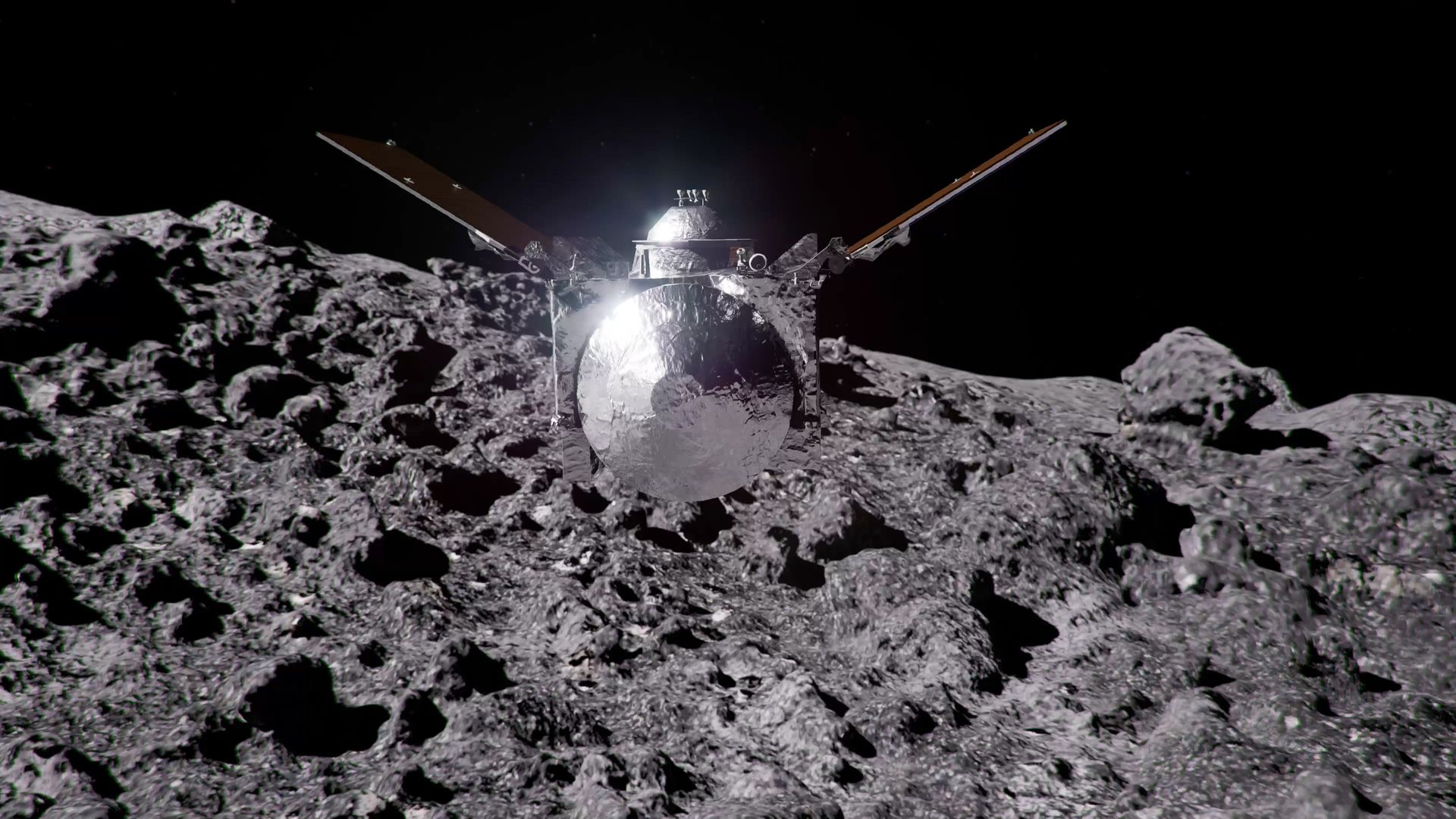
100% Mission success with designAmerica team expert support and our Commercial ASIST workstations and software used in every phase of the OSIRIS-REx satellite build, integration and test, launch and mission ops during the long flight to asteroid Bennu for asteroid sample collection and the sample return to Earth in September 2023. Award winning ASIST mission success: firm-fixed price, on time, on budget!
FOR IMMEDIATE RELEASE February 15,
2024 NATIONAL SPACE CLUB & FOUNDATION ANNOUNCES 2024 AWARD RECIPIENTS
Washington, DC — The National Space Club & Foundation is pleased to announce its Annual Award Recipients. The Awardees are selected by panels of experts from across the aerospace and defense industry, government, and academia to recognize the inspiring work of individuals across the United States. The Awards will be presented at the 67th Annual Robert H. Goddard Memorial Dinner taking place at the Beltway Houston Hotel on Friday, March 22, 2014.
2024 Award Recipients:
OSIRIS-REx Team from NASA's Goddard Space Flight Center: Lockheed Martin, University of Arizona and iOrbit will receive the Club's preeminent award, the Robert H. Goddard Memorial Trophy for their tremendous work on the first U.S. mission to successfully capture and return an asteroid sample.
Following its launch on September 8, 2016, aboard United Launch Alliance's Atlas V 411 from Cape Canaveral, NASA's OSIRIS-REx mission made history when it became the first U.S. spacecraft to touch an asteroid and capture a sample on Oct. 20, 2020, and again when it successfully delivered that sample to Earth on September 24, 2023.
Following its successful sample return, the OSIRIS-REx spacecraft was renamed OSIRIS-APEX and will now enter an extended mission to visit and study the near-Earth asteroid Apophis in 2029.
2021-2034
LUCY
LUCY Mission to the Trojan Asteroids of Jupiter
100% Mission success with designAmerica team expert support and our Commercial ASIST workstations and software used in every phase of the OSIRIS-REx satellite build, integration and test, launch and mission ops during the long flight to asteroid Bennu for asteroid sample collection and the sample return to Earth in September 2023. Award winning ASIST mission success: firm-fixed price, on time, on budget! Lucy is a NASA Discovery mission on a twelve-year journey to eight different asteroids. It is slated to visit two main belt asteroids as well as six Jupiter trojans — asteroids that share Jupiter's orbit around the Sun, orbiting either ahead of or behind the planet. All target encounters will be fly-by encounters.
100% Mission success with designAmerica team experts and our Commercial ASIST workstations and software used in every phase of the mission from LUCY assembly, integration and test, launch and flight to the Trojan Asteroids of Jupiter with our ASIST software and workstations used for the entire LUCY mission operations to the much anticipated Trojan Asteroid rendezvous with the last asteroid flyby in 2033!

2023-2029
OSIRIS-APEX
OSIRIS-APEX (OSIRIS-Apophis Explorer) is the extended mission of OSIRIS-REx, redirected after Bennu sample delivery to encounter near-Earth asteroid Apophis in April 2029, just after Apophis's historic close flyby of Earth.
Mission success continues with the designAmerica team and our Commercial ASIST workstations and software supporting OSIRIS-APEX through cruise, Apophis approach, and proximity operations — leveraging the same proven ground system that brought Bennu samples home in September 2023.
ASIST Means Mission Success — from OSIRIS-REx to OSIRIS-APEX. Failure is NOT an Option!
2026
NANCY ROMAN
Space Telescope
designAmerica provides important Subject Matter Expert (SME) team support for Roman Space Telescope at NASA Goddard Space Flight Center now and since the mission early days. We are looking forward to the upcoming launch from Cape Canaveral as we count down to launch in late August 2026. All Systems Go!
2000-2005
IMAGE
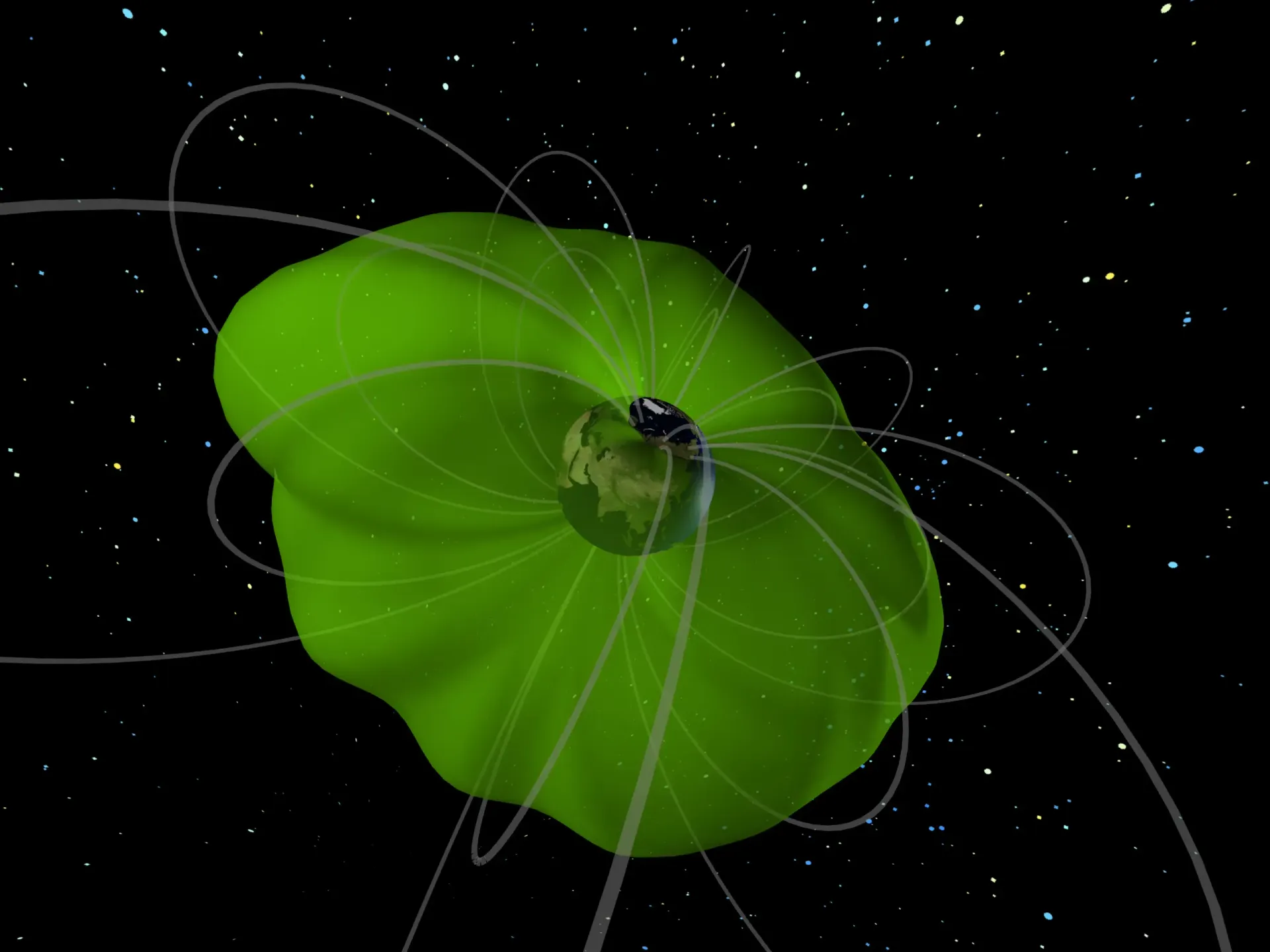
designAmerica provided important Subject Matter Expert (SME) team support with the ASIST ground system for IMAGE (Imager for Magnetopause-to-Aurora Global Exploration) satellite which was built and operated by the NASA Goddard Space Flight Center. IMAGE studied the response of Earth's global magnetic environment — the magnetosphere — to changes caused by the solar wind which can set off a chain reaction in Earth's magnetosphere that can lead to everything from auroras to disrupted power grids in the most extreme cases. IMAGE tracked these changes and collected most of its data remotely, making it the first mission dedicated to this type of study of Earth's magnetosphere.
2001-2010
WMAP
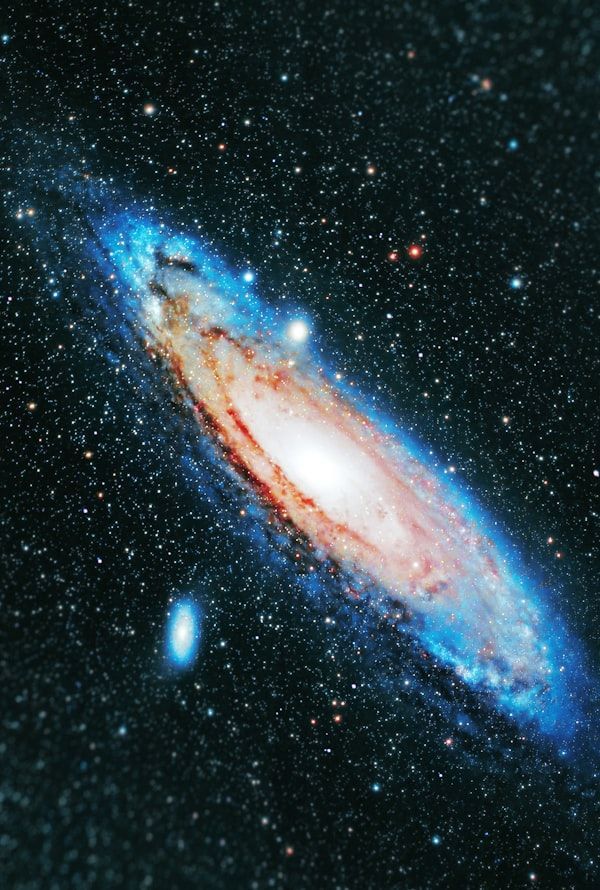
designAmerica provided important Subject Matter Expert (SME) team support with the ASIST ground system for both integration and test (I&T) and the Mission Operations Control Center (MOCC) for the WMAP satellite which was built and operated by the NASA Goddard Space Flight Center. NASA's WMAP (Wilkinson Microwave Anisotropy Probe) spacecraft measured temperature differences across the sky in the cosmic microwave background radiation, a remnant of the big bang.

2010-Present
SDO
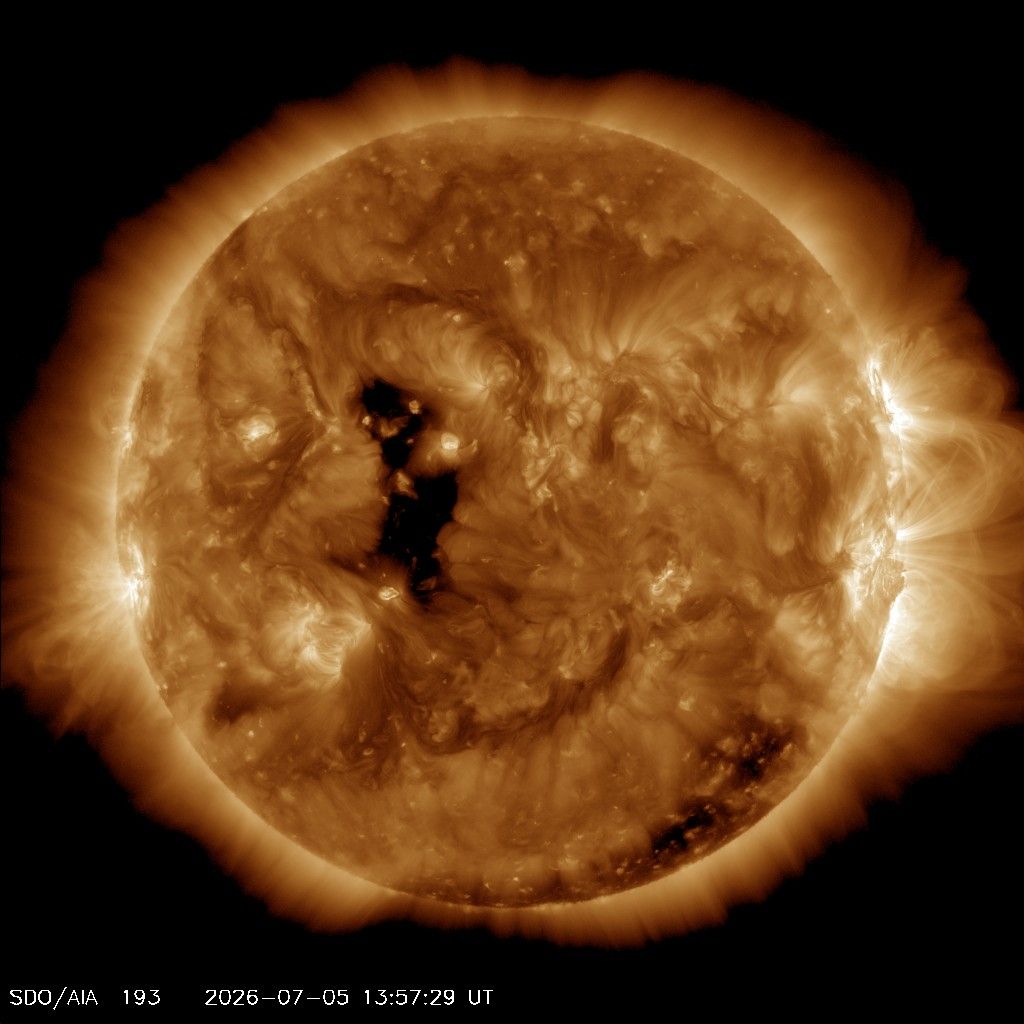
designAmerica provided important Subject Matter Expert (SME) team support with the ASIST ground system for both Integration and Test (I&T) and the Mission Operations Control Center (MOCC) for the Solar Dynamics Observatory (SDO) satellite which was built and is operated by the NASA Goddard Space Flight Center.
The SDO mission maps and studies the dynamic variations of the Sun. By monitoring the solar interior, magnetic field, and atmosphere, scientists can better predict solar storms, coronal mass ejections, and flares, which have the potential to disrupt satellite communications, navigation systems, and power grids on Earth.
2015-Present
MMS
designAmerica provided important Subject Matter Expert (SME) team support with the ASIST ground system for both Integration and Test (I&T) and the Mission Operations Control Center (MOCC) for the MMS satellite which was built and is operated by the NASA Goddard Space Flight Center. The Magnetospheric Multiscale (MMS) Mission is a NASA robotic space mission to study the Earth's magnetosphere, using four identical spacecraft flying in a tetrahedral formation. The mission is designed to gather information about the microphysics of magnetic reconnection, energetic particle acceleration, and turbulence — processes that occur in many astrophysical plasmas. As of March 2020, the MMS spacecraft has enough fuel to remain operational until 2040.